 A passage to IndiaE. M. Forster
OmniClassics · Literature
A passage to India
E. M. ForsterA hoped-for friendship encounters the divisions that colonial rule has built into everyday life.
Progress is saved in this browser
About the book
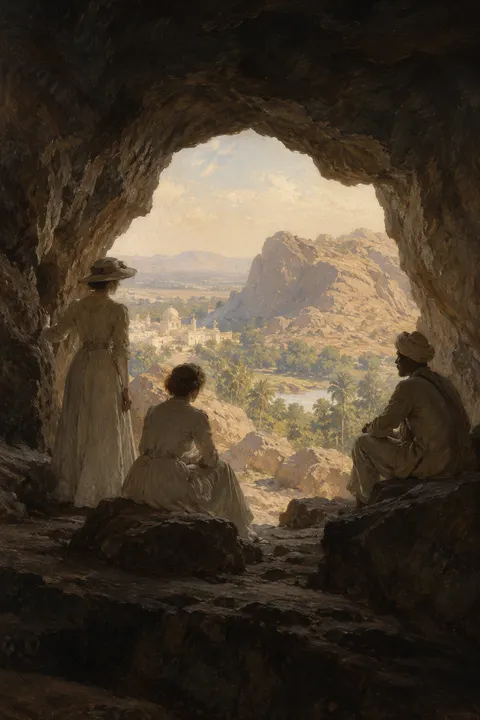
Mrs Moore and Adela Quested arrive in India wanting experiences beyond the closed routines of the British official community. Their encounters with Dr Aziz and the school principal Fielding seem to offer openings towards friendship, but hospitality and goodwill operate within an unequal political order. An excursion to the Marabar Caves brings uncertainty into a relationship already vulnerable to collective suspicion. Forster gives landscape, sound, social ritual, and religious difference important roles in the difficulty of making experience intelligible. The novel follows how an individual's account can be seized by a community eager to have its prejudices confirmed. Its central question concerns whether personal sympathy can establish a lasting connection when institutions and historical circumstances continually return people to opposed positions, even when they would prefer to meet differently.
- Colonial power
- Friendship
- Uncertainty and prejudice
Why read it
For a novel that examines the political conditions of personal trust without reducing its encounters to a simple failure of goodwill.
English text
Contents and reading sections
- Section 1
- Section 2
- Section 3
- Section 4
- Section 5
- Section 6
- Section 7
- Section 8
- Section 9
- Section 10
- Section 11
- Section 12
- Section 13
- Section 14
- Section 15
- Section 16
- Section 17
- Section 18
- Section 19
- Section 20
- Section 21
- Section 22
- Section 23
- Section 24
- Section 25
- Section 26
- Section 27
- Section 28
- Section 29
- Section 30
- Section 31
- Section 32
- Section 33
- Section 34
- Section 35
- Section 36
- Section 37
- Section 38
- Section 39
- Section 40
- Section 41
- Section 42
- Section 43
- Section 44
- Section 45
- Section 46
- Section 47
- Section 48
- Section 49