 Adam BedeGeorge Eliot
OmniClassics · Literature
Adam Bede
George EliotA rural community's familiar routines cannot prevent unequal desires from creating consequences beyond private intention.
Progress is saved in this browser
About the book
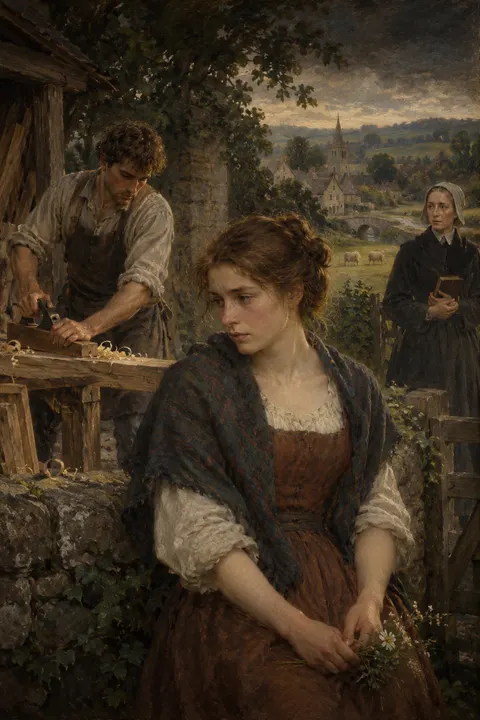
Adam Bede's skill as a carpenter and seriousness about work give him a respected place in Hayslope. His hopes for Hetty Sorrel intersect with the attention she receives from Arthur Donnithorne, whose social position makes their apparent freedom to choose profoundly unequal. Dinah Morris's religious calling supplies another model of sympathy and responsibility within the same community. Eliot spends time on labour, family habits, conversation, and local character, making the people around the central story more than a background. The narrative examines how a wish to avoid immediate pain can become a refusal to consider future harm. Its emotional demands emerge from asking readers to extend understanding beyond admirable intentions, particularly towards people whose limited experience leaves them poorly equipped to recognise the dangers within their hopes.
- Responsibility
- Unequal power
- Sympathy
Why read it
For a richly observed rural novel that turns attention to ordinary lives into a demanding practice of sympathy.
English text
Contents and reading sections
- Section 1
- Section 2
- Section 3
- Section 4
- Section 5
- Section 6
- Section 7
- Section 8
- Section 9
- Section 10
- Section 11
- Section 12
- Section 13
- Section 14
- Section 15
- Section 16
- Section 17
- Section 18
- Section 19
- Section 20
- Section 21
- Section 22
- Section 23
- Section 24
- Section 25
- Section 26
- Section 27
- Section 28
- Section 29
- Section 30
- Section 31
- Section 32
- Section 33
- Section 34
- Section 35
- Section 36
- Section 37
- Section 38
- Section 39
- Section 40
- Section 41
- Section 42
- Section 43
- Section 44
- Section 45
- Section 46
- Section 47
- Section 48
- Section 49
- Section 50
- Section 51
- Section 52
- Section 53
- Section 54
- Section 55
- Section 56
- Section 57
- Section 58
- Section 59
- Section 60
- Section 61
- Section 62
- Section 63
- Section 64
- Section 65
- Section 66
- Section 67
- Section 68
- Section 69
- Section 70
- Section 71
- Section 72
- Section 73
- Section 74
- Section 75
- Section 76
- Section 77
- Section 78
- Section 79
- Section 80
- Section 81
- Section 82
- Section 83
- Section 84
- Section 85
- Section 86
- Section 87
- Section 88
- Section 89
- Section 90
- Section 91
- Section 92
- Section 93
- Section 94
- Section 95
- Section 96
- Section 97
- Section 98
- Section 99