 Faithful Margaret: A NovelMrs. J. M. Simpson
OmniClassics · Literature
Faithful Margaret: A Novel
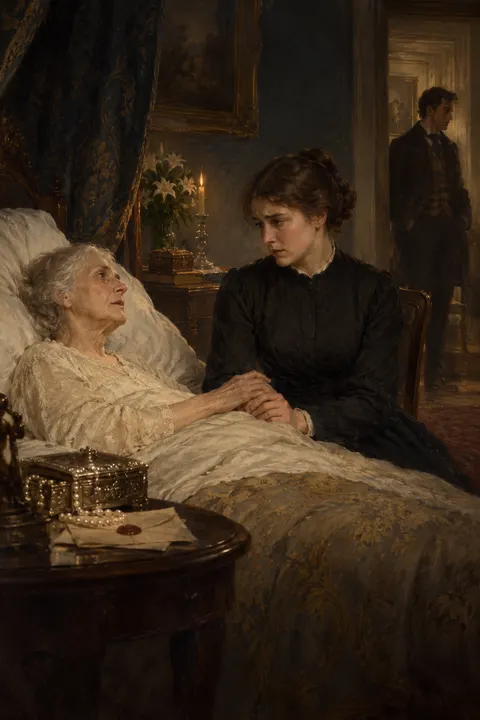
Mrs. J. M. SimpsonA dying employer tries to reward her companion by binding her future to a grandson she fears.
Progress is saved in this browser
About the book
Margaret Walsingham has cared faithfully for Ethel Brand, but the elderly woman's gratitude takes a form Margaret dreads. Convinced that her companion can reform her dissipated grandson St. Udo, Mrs. Brand makes marriage part of the arrangement governing her estate. Margaret urgently hopes the grandson and a lawyer will arrive before the dying woman can no longer alter her plans. The opening establishes a conflict between genuine affection and the power of a benefactor to impose an unwanted destiny. Written under the name Annie Ashmore, the novel tests its heroine's endurance through pressures of money, social position, and moral expectation. Her loyalty is treated as a virtue, yet it also makes resistance to another person's supposedly benevolent wishes painfully difficult.
- Coercive benevolence
- Loyalty and autonomy
- Inheritance and marriage
Why read it
The deathbed scene makes the proposed reward itself the source of suspense, because Margaret understands the harm its giver cannot see.
English J. Ross Robertson edition of 1880, titled under Annie Ashmore
Contents and reading sections
- Section 1
- Section 2
- Section 3
- Section 4
- Section 5
- Section 6
- Section 7
- Section 8
- Section 9
- Section 10
- Section 11
- Section 12
- Section 13
- Section 14
- Section 15
- Section 16
- Section 17
- Section 18
- Section 19
- Section 20
- Section 21
- Section 22
- Section 23
- Section 24
- Section 25
- Section 26
- Section 27
- Section 28
- Section 29
- Section 30
- Section 31
- Section 32
- Section 33
- Section 34
- Section 35
- Section 36
- Section 37
- Section 38
- Section 39
- Section 40
- Section 41
- Section 42
- Section 43
- Section 44
- Section 45
- Section 46
- Section 47
- Section 48
- Section 49
- Section 50
- Section 51