 Fifteen Chapters of AutobiographyGeorge William Erskine Russell
OmniClassics · Literature
Fifteen Chapters of Autobiography
George William Erskine RussellA politician and essayist remembers education, sociability, public speaking, and religious life through a series of thematic chapters.
Progress is saved in this browser
About the book
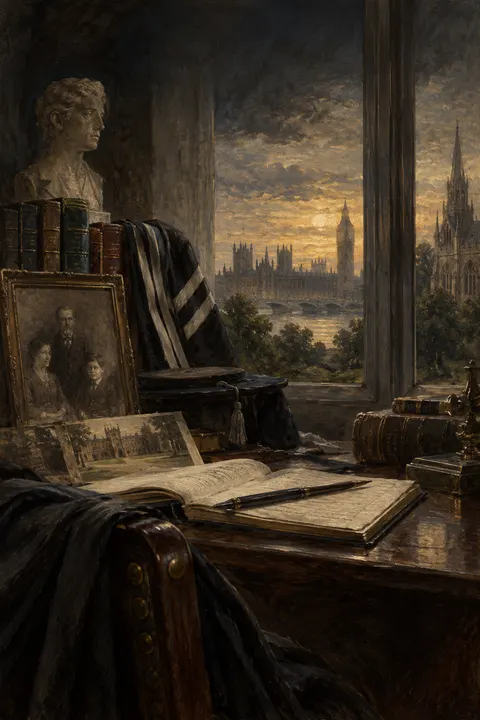
George W. E. Russell organizes his autobiography around the institutions and activities that formed him: Harrow, Oxford, home, London, elections, Parliament, literature, and the Church. The result is less a continuous day-by-day record than a succession of social and intellectual settings, populated by remembered voices and characteristic incidents. Family history gives the opening a strong sense of inherited position, while later chapters show how that position intersects with public service. Anecdote is one of Russell's principal methods, and readers can ask what a well-told story includes or leaves out. The book offers a participant's view of a particular British social world, not a representative account of every Victorian life. Its pleasures include the changing relationship between personal memory and institutional custom.
- Education and society
- Public life
- Memory and belonging
Why read it
For a conversational memoir that makes institutions vivid through the people and habits remembered within them.
English autobiography · fifteen thematic chapters
Contents and reading sections
- Section 1
- Section 2
- Section 3
- Section 4
- Section 5
- Section 6
- Section 7
- Section 8
- Section 9
- Section 10
- Section 11
- Section 12
- Section 13
- Section 14
- Section 15
- Section 16
- Section 17
- Section 18
- Section 19
- Section 20
- Section 21
- Section 22
- Section 23
- Section 24
- Section 25
- Section 26
- Section 27
- Section 28
- Section 29
- Section 30
- Section 31
- Section 32
- Section 33
- Section 34
- Section 35
- Section 36
- Section 37
- Section 38
- Section 39