 The trail of the serpentM. E. Braddon
OmniClassics · Literature
The trail of the serpent
M. E. BraddonA falsely accused young man depends on an underestimated detective in a world where outward respectability conceals grave wrongdoing.
Progress is saved in this browser
About the book
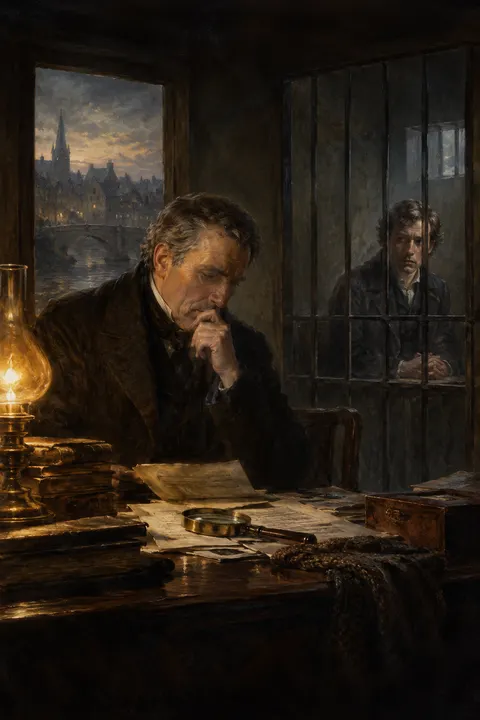
In the provincial town of Slopperton, school assistant Jabez North enjoys a reputation for exemplary goodness that the narrator immediately invites readers to question. Richard Marwood, by contrast, faces prosecution for his uncle's murder with circumstances seemingly arranged against him. Joseph Peters, a detective who cannot speak, believes in Richard's innocence and pursues the problem despite the dismissive judgments of fellow officers. Braddon carries the intrigue beyond the opening town through concealed identities, family connections, and elaborate acts of deception. The story's sensation machinery is accompanied by sharp commentary on the ease with which communities mistake reputation for character. Peters's resourcefulness provides an especially pointed answer to a society that repeatedly misreads both virtue and ability.
- Respectability and deception
- Wrongful accusation
- Ability and prejudice
Why read it
Peters's methods and the narrator's skepticism about public virtue give the mystery distinctive human and social stakes.
English text of the Simpkin, Marshall, Hamilton, Kent stereotyped edition
Contents and reading sections
- Section 1
- Section 2
- Section 3
- Section 4
- Section 5
- Section 6
- Section 7
- Section 8
- Section 9
- Section 10
- Section 11
- Section 12
- Section 13
- Section 14
- Section 15
- Section 16
- Section 17
- Section 18
- Section 19
- Section 20
- Section 21
- Section 22
- Section 23
- Section 24
- Section 25
- Section 26
- Section 27
- Section 28
- Section 29
- Section 30
- Section 31
- Section 32
- Section 33
- Section 34
- Section 35
- Section 36
- Section 37
- Section 38
- Section 39
- Section 40
- Section 41
- Section 42
- Section 43
- Section 44
- Section 45
- Section 46
- Section 47
- Section 48
- Section 49
- Section 50
- Section 51
- Section 52
- Section 53
- Section 54
- Section 55
- Section 56
- Section 57
- Section 58
- Section 59
- Section 60
- Section 61
- Section 62
- Section 63
- Section 64
- Section 65
- Section 66
- Section 67
- Section 68
- Section 69
- Section 70
- Section 71