 Anarchism and Other EssaysEmma Goldman
OmniClassics · Literature
Anarchism and Other Essays
Emma GoldmanA radical essayist challenges the institutions that claim to protect freedom while limiting its practice.
Progress is saved in this browser
About the book
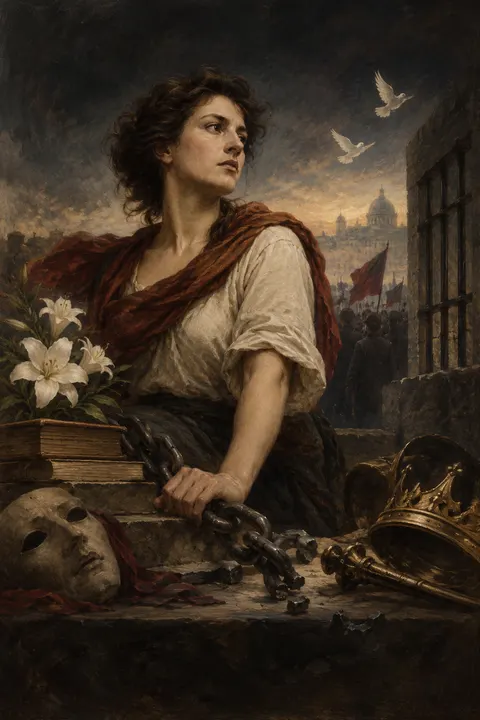
Emma Goldman explains her understanding of anarchism and applies it to prisons, patriotism, education, sexual morality, marriage, women's emancipation, and the political force of drama. The essays argue that coercion can operate through respectable conventions as well as through explicit state authority. Their direct and often combative style reflects an effort to persuade readers already surrounded by hostile accounts of radical thought. Goldman also questions reforms that appear progressive when she believes they leave deeper dependencies intact. The collection includes a biographical sketch by Hippolyte Havel, placing the arguments beside an account of her public life. Read as a connected set, the essays show a conception of freedom concerned with work, intimate relations, and intellectual possibility, while leaving readers room to test the claims and tensions of that conception.
- Freedom and authority
- Social reform
- Gender and independence
Why read it
For a direct introduction to Goldman's arguments through concrete disputes about education, punishment, marriage, and political loyalty.
Essay collection with biographical sketch · English text
Contents and reading sections
- Section 1
- Section 2
- Section 3
- Section 4
- Section 5
- Section 6
- Section 7
- Section 8
- Section 9
- Section 10
- Section 11
- Section 12
- Section 13
- Section 14
- Section 15
- Section 16
- Section 17
- Section 18
- Section 19
- Section 20
- Section 21
- Section 22
- Section 23
- Section 24
- Section 25
- Section 26
- Section 27
- Section 28
- Section 29
- Section 30
- Section 31
- Section 32
- Section 33
- Section 34
- Section 35