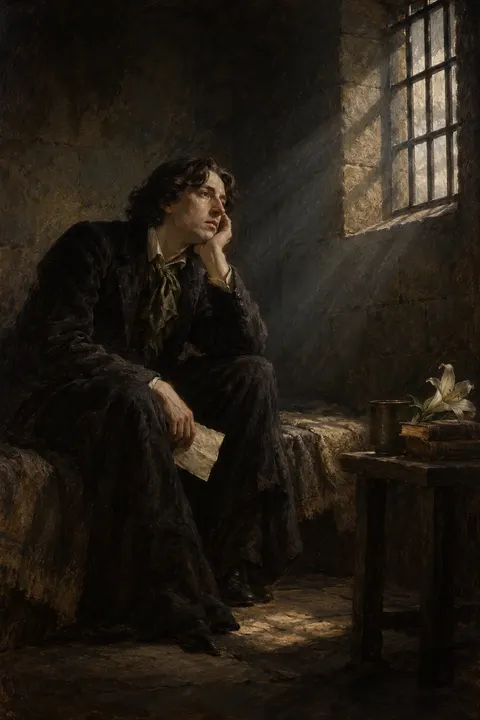
 De ProfundisOscar Wilde
OmniClassics · Literature
De Profundis
Oscar WildeWriting from imprisonment, Wilde reconsiders suffering, art, and the shape of a life after public disgrace.
Progress is saved in this browser
About the book
Wilde reflects on the experience of prison through the altered meanings of time, shame, sympathy, and personal responsibility. His account moves between the circumstances of his suffering and a wider examination of art, humility, and the figure of Christ as he understands it. The voice remains recognisably that of an artist concerned with form and individuality, but it tests those concerns against experiences that reputation and wit cannot remove. This text follows the 1913 Methuen edition and contains an earlier, shorter presentation of the prison writing; it should not be mistaken for the complete letter available in later editions. Within that scope, the work asks how painful experience might become part of an intelligible life without being denied, reduced to a lesson, or allowed to exhaust all possibility of change.
- Suffering
- Art and self-understanding
- Renewal
Why read it
For an intensely reflective Wilde work that revisits artistic identity and sympathy under the pressure of imprisonment.
1913 Methuen text · shorter early selection