 Harriet MartineauFlorence Fenwick Miller
OmniClassics · Literature
Harriet Martineau
Florence Fenwick MillerA biographer traces Harriet Martineau's intellectual independence beyond the point where her autobiography stops.
Progress is saved in this browser
About the book
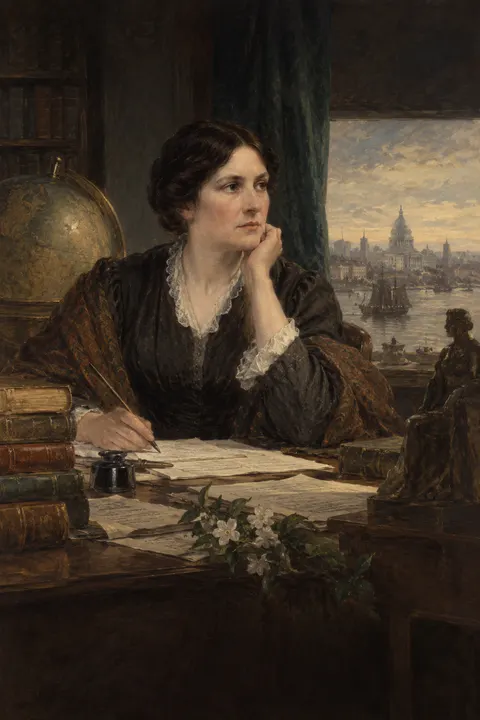
Florence Fenwick Miller follows Harriet Martineau from an emotionally difficult childhood into a career of literary work and public controversy. Family circumstances, deafness, illness, friendships, and the need to earn a living accompany the discussion of her writing. The popular treatment of political economy, American travels, opposition to slavery, and later journalism show ideas entering public life through several different forms. Miller draws on the autobiography while questioning the adequacy of previous accounts, especially for the long period of work after 1855. Letters and recollections help her construct a sympathetic but evaluative portrait rather than merely repeat her subject's own story. The biography is especially interested in the strength required for a woman to maintain independent judgment amid personal pressure and intellectual disagreement.
- Intellectual independence
- Women and public work
- Biography and evidence
Why read it
Miller connects the practical circumstances of Martineau's life with the scope and persistence of her public writing.
English text of the 1887 Roberts Brothers edition, copyright 1884
Contents and reading sections
- Section 1
- Section 2
- Section 3
- Section 4
- Section 5
- Section 6
- Section 7
- Section 8
- Section 9
- Section 10
- Section 11
- Section 12
- Section 13
- Section 14
- Section 15
- Section 16
- Section 17
- Section 18
- Section 19
- Section 20
- Section 21
- Section 22
- Section 23
- Section 24
- Section 25
- Section 26
- Section 27
- Section 28
- Section 29
- Section 30
- Section 31
- Section 32
- Section 33
- Section 34
- Section 35
- Section 36