 Resurrectiongraf Leo Tolstoy
OmniClassics · Literature
Resurrection
graf Leo TolstoyA courtroom encounter forces a privileged man to reconsider his place in other people's suffering.
Progress is saved in this browser
About the book
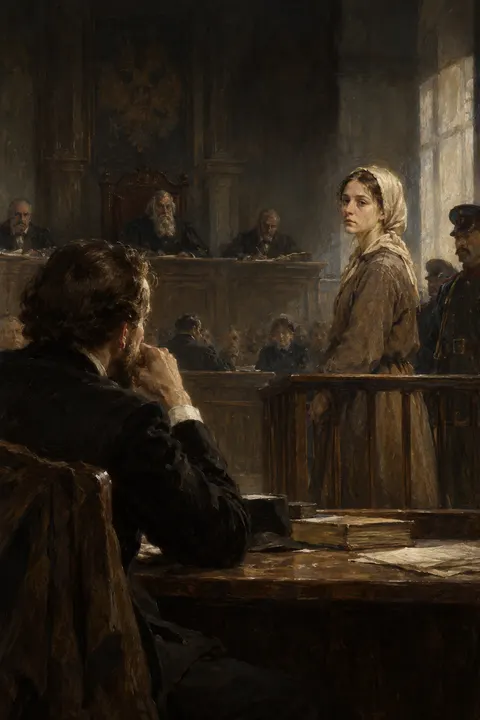
Maslova's movement from prison toward the courtroom places official procedure beside a living person whose history the proceedings cannot easily contain. The encounter that follows draws a man of privilege into a sustained confrontation with his own past and with the institutions that have helped protect him from its consequences. Tolstoy moves through legal offices, households, prisons, and journeys, asking what responsibility might require once sympathy becomes inconvenient. Attempts to help do not automatically free the helper from pride or misunderstanding. The novel gives practical obstacles as much weight as moral declarations, making reform a problem of conduct rather than merely a change of feeling. Its breadth grows from the difficulty of connecting an individual's awakening with the lives and systems beyond that individual.
- Responsibility and privilege
- Justice
- Moral change
Why read it
For a large social novel that keeps testing good intentions against their practical consequences.
Louise Maude English translation
Contents and reading sections
- Section 1
- Section 2
- Section 3
- Section 4
- Section 5
- Section 6
- Section 7
- Section 8
- Section 9
- Section 10
- Section 11
- Section 12
- Section 13
- Section 14
- Section 15
- Section 16
- Section 17
- Section 18
- Section 19
- Section 20
- Section 21
- Section 22
- Section 23
- Section 24
- Section 25
- Section 26
- Section 27
- Section 28
- Section 29
- Section 30
- Section 31
- Section 32
- Section 33
- Section 34
- Section 35
- Section 36
- Section 37
- Section 38
- Section 39
- Section 40
- Section 41
- Section 42
- Section 43
- Section 44
- Section 45
- Section 46
- Section 47
- Section 48
- Section 49
- Section 50
- Section 51
- Section 52
- Section 53
- Section 54
- Section 55
- Section 56
- Section 57
- Section 58
- Section 59
- Section 60
- Section 61
- Section 62
- Section 63
- Section 64
- Section 65
- Section 66
- Section 67
- Section 68
- Section 69
- Section 70
- Section 71
- Section 72
- Section 73
- Section 74
- Section 75
- Section 76
- Section 77
- Section 78
- Section 79
- Section 80
- Section 81
- Section 82
- Section 83