 The Hill of VenusNathan Gallizier
OmniClassics · Literature
The Hill of Venus
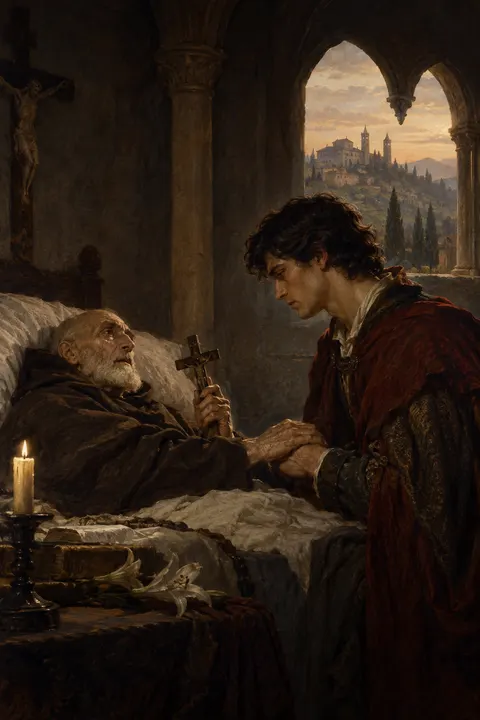
Nathan GallizierA dying father's demand for atonement threatens a young man's hopes of love and a life outside the Church.
Progress is saved in this browser
About the book
In 1266 Francesco Villani is summoned from courtly life to the monastery where his father lies dying. The meeting brings the circumstances of his birth into painful focus and confronts him with a demand that his future should compensate for another person's past. A religious commitment would require him to relinquish attachments and aspirations already taking shape beyond the monastery walls. Gallizier follows this conflict through an elaborately imagined medieval Italy of pilgrimage, ecclesiastical power, and romantic temptation. The richly colored landscape continually sets earthly beauty beside the language of renunciation. Rather than treating a vow as the end of a moral decision, the novel explores the pressures created when such a promise attempts to govern a life that has not yet been lived.
- Inherited guilt
- Vows and personal freedom
- Religious power and earthly love
Why read it
The father's deathbed request makes the central spiritual conflict inseparable from filial loyalty and emotional pressure.
English L. C. Page edition, first impression March 1913
Contents and reading sections
- Section 1
- Section 2
- Section 3
- Section 4
- Section 5
- Section 6
- Section 7
- Section 8
- Section 9
- Section 10
- Section 11
- Section 12
- Section 13
- Section 14
- Section 15
- Section 16
- Section 17
- Section 18
- Section 19
- Section 20
- Section 21
- Section 22
- Section 23
- Section 24
- Section 25
- Section 26
- Section 27
- Section 28
- Section 29
- Section 30
- Section 31
- Section 32
- Section 33
- Section 34
- Section 35
- Section 36
- Section 37
- Section 38
- Section 39
- Section 40
- Section 41
- Section 42
- Section 43
- Section 44
- Section 45
- Section 46
- Section 47