 Thoughts of a foolEvelyn Gladys
OmniClassics · Literature
Thoughts of a fool
Evelyn GladysA self-proclaimed fool uses respectability and expert wisdom as targets for irreverent argument.
Progress is saved in this browser
About the book
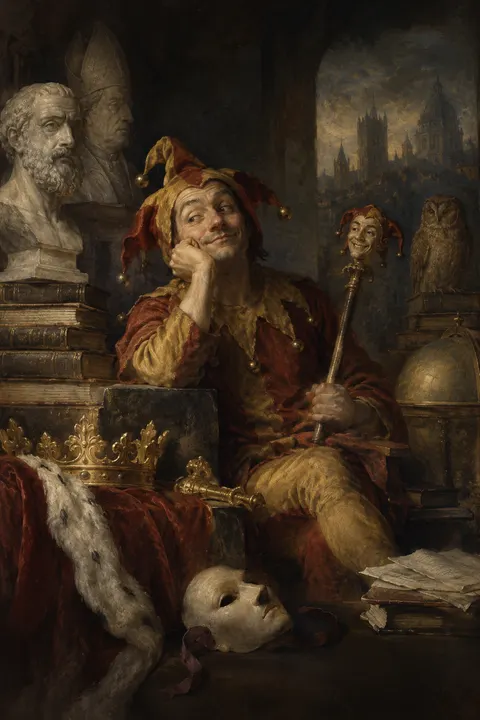
Evelyn Gladys begins by inventing an impressively respectable ancestry whose members persecute dissenters and later honor the very people their predecessors condemned. This mock genealogy establishes the collection's method: accepted wisdom is examined through an apparently foolish voice that notices its contradictions. The essays proceed through success, democracy, intellectual authority, religion, and the labels by which people recognize or exclude one another. Everyday objects and deliberately incongruous comparisons keep abstract claims close to ordinary experience. The narrator's extravagant boasts about personal intelligence also turn the joke inward, complicating any easy division between enlightened critic and deluded public. These are provocative personal reflections rather than a systematic treatise, held together by suspicion of social prestige and of knowledge that cannot explain its own practical value.
- Respectability and dissent
- Authority and skepticism
- Satirical self-examination
Why read it
The mock-fool persona makes institutional pretensions and the narrator's own confidence available to the same scrutiny.
English text of the 1905 E. P. Rosenthal and Company edition