 Minor Dialogues, Together With the Dialogue on ClemencyLucius Annaeus Seneca
OmniClassics · Literature
Minor Dialogues, Together With the Dialogue on Clemency
Lucius Annaeus SenecaSeneca examines anger, grief, time, and the responsibilities of power.
Progress is saved in this browser
About the book
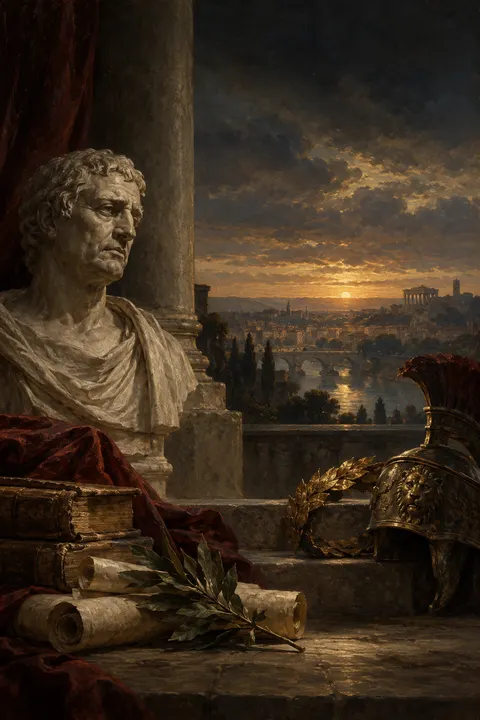
These prose works explore how a person might maintain judgment when circumstances encourage rage, fear, distraction, or despair. Seneca addresses questions of providence and happiness, the firmness of the wise person, leisure, peace of mind, and the shortness of life. Consolations to Marcia, Helvia, and Polybius bring philosophical arguments into contact with particular losses and separations. The treatise on clemency turns from personal conduct toward the restraint expected of a ruler. Although grouped as minor dialogues, the pieces use several forms of address rather than one continuous conversation. Their examples, objections, and urgent advice reveal a Roman Stoic effort to make philosophy act upon ordinary habits and upon the dangerous temptations of authority.
- Self-command
- Grief and time
- Power and restraint
Why read it
See Stoic reasoning applied to sharply different situations, from bereavement to the exercise of rule.
English translation by Aubrey Stewart, including On Clemency
Contents and reading sections
- Section 1
- Section 2
- Section 3
- Section 4
- Section 5
- Section 6
- Section 7
- Section 8
- Section 9
- Section 10
- Section 11
- Section 12
- Section 13
- Section 14
- Section 15
- Section 16
- Section 17
- Section 18
- Section 19
- Section 20
- Section 21
- Section 22
- Section 23
- Section 24
- Section 25
- Section 26
- Section 27
- Section 28
- Section 29
- Section 30
- Section 31
- Section 32
- Section 33
- Section 34
- Section 35
- Section 36
- Section 37
- Section 38
- Section 39
- Section 40
- Section 41
- Section 42
- Section 43
- Section 44
- Section 45
- Section 46
- Section 47
- Section 48
- Section 49
- Section 50
- Section 51
- Section 52
- Section 53
- Section 54
- Section 55
- Section 56
- Section 57
- Section 58
- Section 59
- Section 60
- Section 61
- Section 62
- Section 63
- Section 64
- Section 65
- Section 66
- Section 67
- Section 68
- Section 69
- Section 70