 L. Annaeus Seneca on BenefitsLucius Annaeus Seneca
OmniClassics · Literature
L. Annaeus Seneca on Benefits
Lucius Annaeus SenecaWhat makes a gift a genuine benefit, and what does gratitude require?
Progress is saved in this browser
About the book
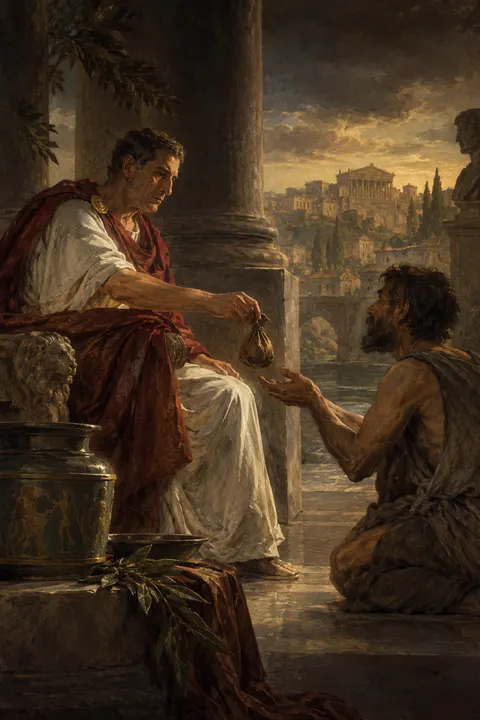
Seneca's seven books examine the giving, receiving, and returning of benefits. He distinguishes the outward object exchanged from the intention that gives an action its moral character, then tests that distinction against difficult cases. Can a benefit be repaid, demanded back, or bestowed upon someone unworthy? What happens when status, dependency, or resentment distorts an apparent kindness? Stories and arguments move through the unequal relationships of Roman society, including those between rulers and subjects, parents and children, and enslavers and enslaved people. The resulting work is more searching than a manual of courteous behavior. It asks whether generosity can remain generous when giver and recipient begin calculating obligation, advantage, or public credit.
- Generosity and gratitude
- Intention and obligation
- Unequal relationships
Why read it
Follow a sustained philosophical inquiry into the expectations hidden inside apparently simple acts of giving.
English version associated with Aubrey Stewart
Contents and reading sections
- Section 1
- Section 2
- Section 3
- Section 4
- Section 5
- Section 6
- Section 7
- Section 8
- Section 9
- Section 10
- Section 11
- Section 12
- Section 13
- Section 14
- Section 15
- Section 16
- Section 17
- Section 18
- Section 19
- Section 20
- Section 21
- Section 22
- Section 23
- Section 24
- Section 25
- Section 26
- Section 27
- Section 28
- Section 29
- Section 30
- Section 31
- Section 32
- Section 33
- Section 34
- Section 35
- Section 36
- Section 37
- Section 38
- Section 39