 ProtagorasPlato
OmniClassics · Literature
Protagoras
PlatoA young man's eagerness for an influential teacher sets the stage for a contest over virtue and education.
Progress is saved in this browser
About the book
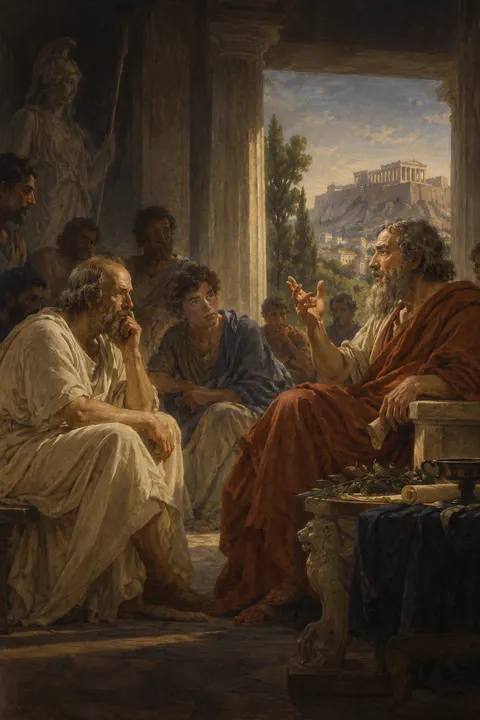
Socrates accompanies an enthusiastic young acquaintance to meet Protagoras, whose reputation promises a valuable form of instruction. The ensuing conversation asks what the sophist teaches and whether the qualities required for civic life can be passed from one person to another. Protagoras answers in part through a myth about human society, while Socrates presses questions about the relationship among the virtues. The gathering becomes a contest of conversational methods as well as ideas, with long speeches, close questioning, and an interpretation of poetry competing for authority. Arguments about pleasure, knowledge, and wrongdoing complicate the original educational question. Plato gives the distinguished audience and the speakers' concern for reputation a visible role, making philosophical discussion also an examination of what happens when learning becomes a public performance.
- Education and virtue
- Knowledge and conduct
- Public argument
Why read it
For a lively philosophical encounter that tests both competing accounts of virtue and the methods used to teach or defend them.
English translation by Benjamin Jowett